


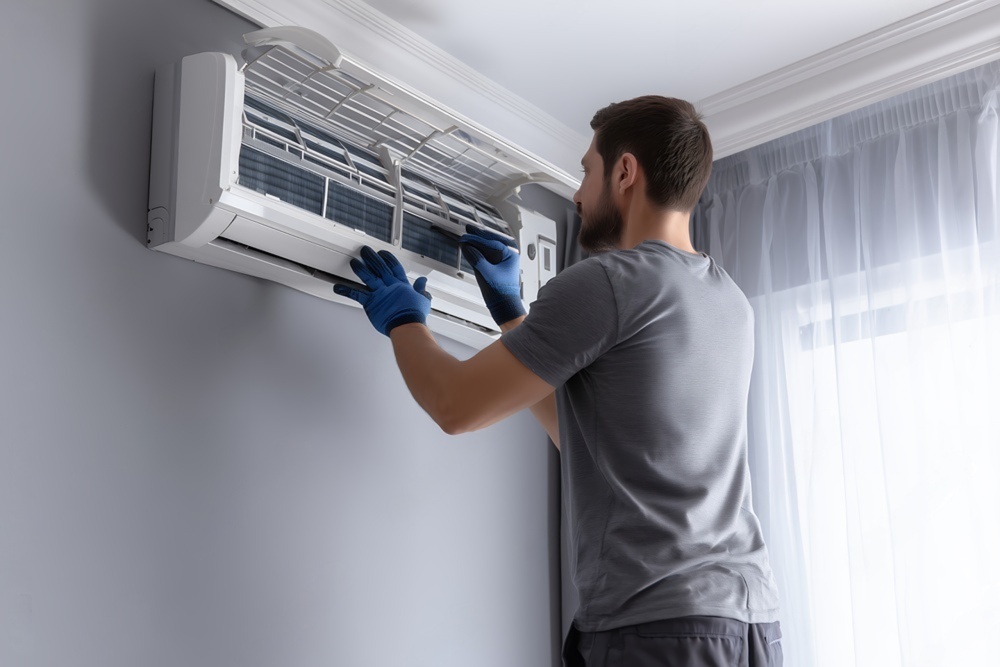
If your AC is running but your home in Johns Creek is still warm, you are not alone. This is one of the most common calls we get as Georgia heat starts ramping up. The good news is that many cooling issues start with simple, fixable problems. This guide walks you through the five most common causes of an AC not cooling and what you can safely check before calling for help.
Key Takeaways
- Most AC cooling problems come from airflow issues, thermostat settings, or outdoor unit restrictions.
- Simple checks like changing a filter or clearing debris can restore cooling quickly.
- Ice or warm air often signals a deeper issue that should not be ignored.
- Refrigerant problems always require a licensed technician to fix safely.
5 Common Reasons Your AC Is Not Cooling in Johns Creek
When your system is running but your home still feels warm, one of these common issues is usually the reason. Here’s what we see most often in Johns Creek homes and how each problem affects your comfort.
Dirty Air Filter Blocking Airflow
A clogged air filter is the number one reason AC systems stop cooling properly. When airflow is restricted, your system cannot circulate cool air through your home, and it may even cause other parts to struggle. In a place like Johns Creek, where pollen builds up quickly, filters can clog faster than most homeowners expect. Swapping it out regularly keeps air moving and helps your system do its job without overworking, especially if you follow a consistent AC filter replacement schedule.
Thermostat Set Incorrectly or Not Reading Properly
Sometimes the issue is not with the AC system itself, but with how it is being told to run. A thermostat set to fan instead of cool will circulate air without lowering the temperature, which can feel like the system is broken when it is not. Even small issues like weak batteries or inaccurate readings can throw things off, and as systems age, upgrading to a smart thermostat can make a noticeable difference in comfort and control.
Outdoor Condenser Blocked by Dirt, Leaves, or Yard Debris
Your outdoor unit plays a major role in removing heat from your home, but it cannot do that if it is surrounded by debris. In many Johns Creek neighborhoods, leaves, grass clippings, and seasonal buildup can quietly block airflow over time. When that happens, the system has to work harder to release heat, and cooling performance drops. Keeping the area around the unit clear and scheduling routine AC service when buildup gets out of hand helps maintain efficiency.
Frozen Evaporator Coil Stopping Cold Airflow
Ice on your AC system might seem surprising in the middle of a Georgia summer, but it is a common issue tied to airflow problems or internal imbalances. When the evaporator coil freezes, it blocks the system from producing cool air altogether, and many homeowners first notice this when airflow weakens or stops completely. Letting the system thaw is important, but it is just as important to understand what caused the freeze in the first place, since evaporator coil issues are often a symptom of a larger airflow or maintenance problem.
Low Refrigerant or a Refrigerant Leak
Refrigerant is the part of your system that actually removes heat from the air. When levels are low or a leak develops, your AC can run all day and still blow warm air. Unlike filters or thermostat settings, this is not something that can be adjusted at home. It requires a licensed technician to locate the issue, repair it properly, and restore the system safely, which is why refrigerant leak repair is always handled by a professional.
What to Check Before Calling for AC Repair
Before you schedule a service visit, a few quick checks around your home can often point you in the right direction or even solve the issue on the spot.
Replace the Air Filter and Open All Vents
Before assuming the worst, it helps to start with airflow. A clean filter and open vents allow your system to move air freely through your home. Even one blocked vent or a heavily clogged filter can create uneven cooling and make the system seem less effective than it really is.
Confirm the Thermostat Is Set to Cool
It is always worth taking a second look at your thermostat settings. Making sure the thermostat is set to cool and reading the temperature correctly can solve what feels like a much bigger issue. Small adjustments here often restore comfort faster than expected.
Clear Space Around the Outdoor Unit
Your outdoor unit needs breathing room to do its job. If plants, debris, or yard items are crowding it, airflow is reduced and efficiency drops. A quick check outside can reveal problems that are easy to fix but easy to overlook.
Turn Off the System If You See Ice
Ice is a clear signal that something is not right. Running the system in that condition can lead to more damage, so shutting it down and letting it thaw protects the equipment while you figure out the next step.
Call a Technician if Warm Air, Leaks, or Breaker Trips Continue
If your AC is still not cooling after these checks, it usually points to something deeper inside the system. Warm air, water leaks, or a breaker that keeps tripping are signs that professional attention is needed. Starting with a proper inspection can quickly pinpoint the issue and get your system back to normal, and in many cases that means scheduling AC repair before the problem gets worse.
Ready to Get Your Cool Air Back?
Cooling problems do not fix themselves, especially as summer heat settles into Johns Creek. Whether it is a quick fix or a deeper repair, getting ahead of the issue keeps your home comfortable and avoids bigger breakdowns.
Keep Smiling Plumbing, Electric, Heating and Cooling is here with same-day service, upfront pricing, and friendly experts who make the process simple.
Contact us or call 770-273-9090 to get your AC back on track and your home feeling cool again.
Frequently Asked Questions
Why is my AC running but not cooling the house?
Common causes include restricted airflow from a dirty filter, incorrect thermostat settings, or outdoor unit issues. If those are fine, a frozen coil or low refrigerant may be limiting cooling.
How often should I change my AC filter in Johns Creek?
During heavy pollen months, many homeowners benefit from checking filters every 30 to 60 days. Homes with pets or higher dust levels may need more frequent changes to keep airflow strong.
Is it normal for an AC unit to freeze up in summer?
It can happen, usually due to poor airflow or an internal imbalance. Ice means the system cannot cool properly, so it should be turned off and allowed to thaw before running again.
Can low refrigerant fix itself over time?
No. Refrigerant does not get used up under normal operation. If levels are low, there is likely a leak that needs to be found and repaired by a licensed technician.
When should I call for AC repair instead of troubleshooting myself?
If you still have warm air after basic checks, notice water around the unit, or your breaker keeps tripping, it is time for a professional inspection. These are signs of deeper issues that need proper diagnosis.