The Importance of Having your Drains Cleaned in the Atlanta Metro area

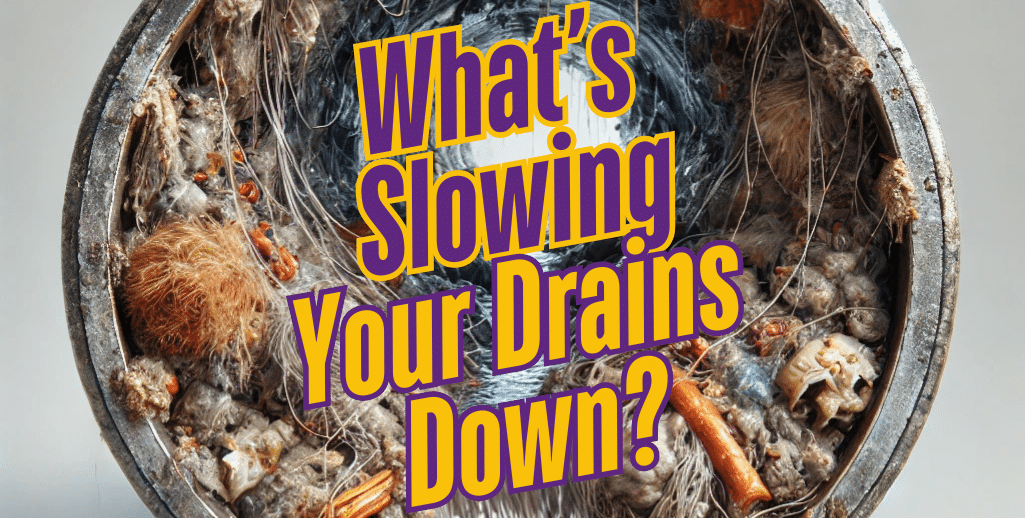
Clogged drain with debris, hair, and organic matter, featuring the text "What's Slowing Your Drains Down?" highlighting the importance of professional drain cleaning services.

Why You Should Schedule Professional Drain Cleaning Services

Have you ever walked into your bathroom only to find your sink, bathtub, or toilet overflowing? These situations are not just inconvenient—they can also lead to costly repairs if ignored. To prevent plumbing disasters, scheduling regular drain cleaning services from a trusted professional is essential. Here’s why professional drain cleaning from Keep Smiling is a wise investment for your home.

Eliminate Unpleasant Odors

Your drains work hard to carry away water and waste, but over time, debris like hair, soap scum, and organic matter can get trapped, creating the perfect environment for bacteria to thrive. This buildup leads to foul odors that can spread throughout your home. A professional drain cleaning service will remove these blockages, leaving your drains fresh and odor-free.

Prevent Costly Clogs

A slow drain may seem like a minor inconvenience, but it can quickly become a severe clog if left untreated. Grease, soap residue, and other debris gradually accumulate, restricting water flow and eventually causing backups. While store-bought drain cleaners may seem like a quick fix, they contain harsh chemicals that can damage your pipes and harm the environment. Instead, a professional plumber will use safe and effective methods to keep your drains clear and functioning correctly.

Protect Your Plumbing System

Clogged drains don’t just disrupt your day—they can also cause significant plumbing damage. When water backs up due to blockages, it increases pressure on your pipes, leading to leaks, bursts, and even flooding. Routine professional cleaning helps maintain the health of your plumbing system, extending its lifespan and preventing expensive repairs down the line.

How Often Should You Schedule Drain Cleaning?

Although drains are often overlooked, they are crucial to your home’s plumbing. Over time, buildup can lead to slow drainage, bad smells, and water damage. Our plumbers recommend scheduling professional drain cleaning every one to two years. However, factors such as usage, pipe material, and household size may impact the ideal frequency for your home. Contact a professional plumber to determine the best schedule for your needs.

Trust Keep Smiling Plumbing for Expert Drain Services

For reliable, high-quality drain cleaning solutions, turn to Keep Smiling Plumbing & Electric. Based in East Atlanta, we’ve built a reputation for excellence, earning recognition as the top residential plumbing service in Gwinnett County for over five consecutive years. Our satisfied customers speak for themselves! Whether you need routine drain maintenance or emergency plumbing repairs, our experienced team is here to help.

Explore our special offers and schedule your drain cleaning service today!

How should plumbers check for gas leaks?

Gas fitting with visible smoke indicating a potential gas leak, featuring a cartoon plumber logo, in a kitchen setting with a gas cylinder in the background.

How Do Plumbers Detect Gas Leaks in the Atlanta Metro Area?

If you suspect a gas leak in your home, acting fast and calling a licensed Atlanta plumber is crucial. If left unaddressed, gas leaks are dangerous and can lead to serious health risks, fires, or explosions. Certified plumbers in Atlanta, including those serving Fulton, DeKalb, Cobb, and Gwinnett counties, use advanced tools and techniques to detect and repair gas leaks. Here’s how they do it:

Using Gas Leak Detectors

Professional plumbers rely on specialized gas leak detectors to identify combustible gases like methane and propane in the air. These devices use semiconductor sensors or infrared technology to detect even small traces of gas. If a leak is present, the detector will trigger an alarm, allowing the plumber to pinpoint the affected area.

Performing a Thorough Visual Inspection

A plumber will inspect all gas lines, fittings, valves, and appliances, such as water heaters, furnaces, and stoves. This is particularly important in older homes in historic areas like Virginia-Highland or Decatur, where aging infrastructure may increase the risk of leaks. The plumber will check for corrosion, loose connections, and physical damage that could allow gas to escape.

Conducting a Pressure Test

Plumbers may perform a pressure test to assess the integrity of your gas lines. This involves shutting off the gas supply, sealing the system, and using a manometer to measure pressure levels. If there is a pressure drop, it indicates a leak somewhere in the system. This test is beneficial for detecting hidden leaks in underground or behind-the-wall piping, which are common in suburban homes like Sandy Springs, Roswell, and Alpharetta.

Soap Bubble Testing for Small Leaks

For more minor leaks, plumbers often use a non-toxic soap solution applied to joints and fittings. If bubbles form, it confirms a leak. This method is commonly used for quick diagnostics before proceeding with more advanced repairs.

Repairing or Replacing Damaged Components

Once the source of the leak is identified, the plumber will determine whether repairs or complete replacements are necessary. They may need to replace corroded pipes, faulty connectors, or appliance valves. They may sometimes recommend upgrading outdated gas lines to meet modern safety standards, particularly in older Midtown and East Atlanta properties.

What to Do if You Suspect a Gas Leak in Atlanta

  • Evacuate immediately. If you smell gas or suspect a leak, leave the building immediately.
  • Avoid electrical devices and open flames. Don’t turn on lights, use phones, or operate appliances.
  • Call for help. Contact Atlanta Gas Light at 877-427-4321 to report the leak, then call a licensed plumber at Keep Smiling specializing in gas line repairs.
  • Do not re-enter until it’s safe. Wait for professionals to confirm the area is secure before returning.

If you need gas leak detection and repair services in Atlanta, contact a trusted local plumber serving your area, whether in Buckhead, Marietta, or Peachtree City. Fast action can prevent serious consequences—don’t delay in getting the professional help you need.

Can you flush it? An interactive quiz on what you can and cant flush down your toilet

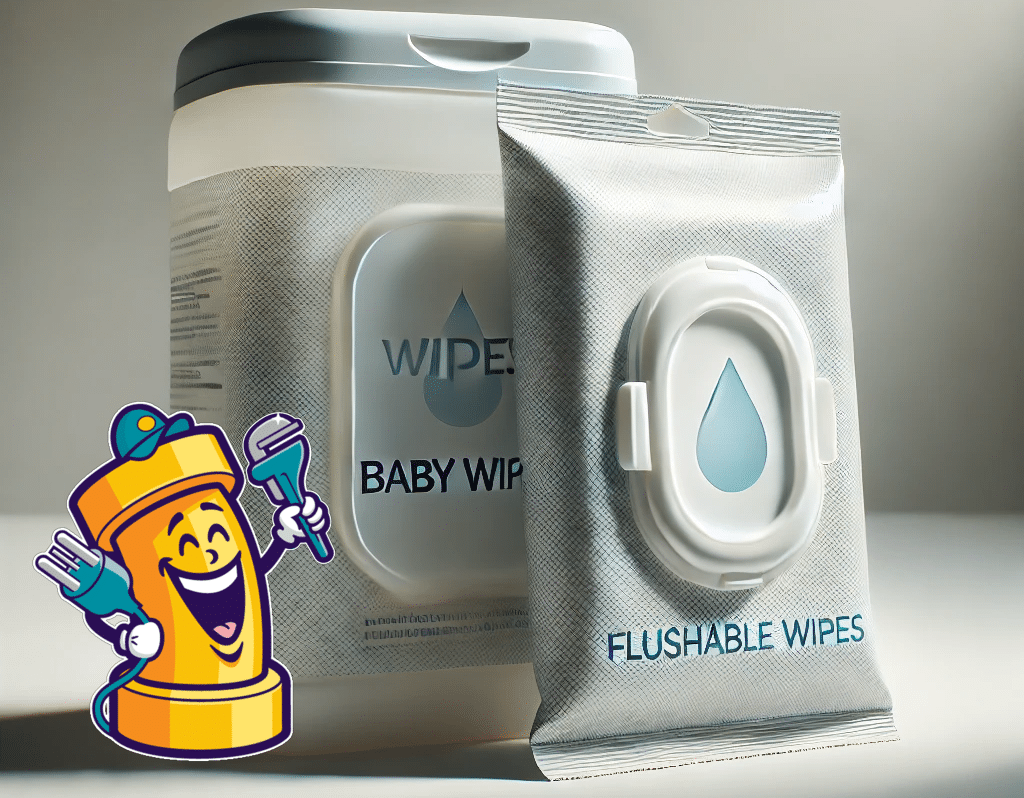
Baby wipes and flushable wipes packaging with a cartoon character promoting proper flushing practices, emphasizing what not to flush in Metro Atlanta.

What You Can and Cannot Flush: A Metro Atlanta Guide

Proper toilet use protects your home’s plumbing, the sewer system, and the environment. Metro Atlanta water authorities often remind residents that toilets are not trash cans and should only be used for their intended purpose​. This guide outlines what’s safe to flush and what should never be flushed, along with why, local recommendations, and the consequences of improper flushing.

Keep Smiling Plumbing, Sewer & Drain Services wants to help educate Atlanta Metro homeowners with this interactive guide on how to avoid costly plumbing repairs.

Safe to Flush: The “Three P’s”

Metro Atlanta officials and plumbers agree on a simple rule: only flush the Three P’s – pee, poop, and (toilet) paper​. These are the only items designed to go down toilets:

  • Human waste (urine and feces): All municipal sewer and septic systems are designed to handle organic waste and toilet water.
  • Toilet paper: Toilet paper is engineered to dissolve rapidly in water. It breaks apart within seconds of flushing, preventing clogs​. (Paper toilet-seat covers are also designed to be flushable.) Aside from this, nothing else should be flushed​. Even products marketed as “flushable” or “septic-safe” often cause problems, so when in doubt, throw it out in the trash instead of the toilet.

Items You Should Never Flush

A container of disinfecting wipes and a pack of “flushable” baby wipes. Metro Atlanta officials warn that even wipes labeled “flushable” should be thrown in the trash because they don’t biodegrade properly in sewers​. Source: AJC.com.

The following items should always go in the trash can, not the toilet. Plumbing experts and local wastewater authorities warn that these materials can clog pipes, damage septic systems, or pollute waterways:

  • Wipes and Non-Toilet Paper Products:Baby wipes, cleaning wipes, “flushable” wipes, paper towels, facial tissues, and other paper products that aren’t toilet paper should never be flushed. Unlike toilet paper, these items do not break down in water. They can accumulate in pipes and sewer lines, leading to blockages​. Even wipes labeled “flushable” can snag in pipes and create massive clogs because they stay intact far too long​. Example from AJC.com: During a 2020 toilet paper shortage, DeKalb County reminded residents that flushing wipes or paper towels will clog pipes – even so-called “flushable” wipes do not biodegrade properly in the sewer system​.
  • Diapers and Feminine Hygiene Products:Disposable diapers, sanitary pads, tampons, and tampon applicators should never be flushed. These products are designed to absorb moisture and expand, which can instantly block plumbing. They also break apart very slowly. Metro Atlanta officials urge residents to throw diapers and hygiene products in the trash, because in pipes they will almost certainly cause a clog​. Plastic tampon applicators can lodge in pipes, and even if they pass through, they contribute to plastic pollution in waterways​.
  • Cotton Swabs, Dental Floss, and Hair: These stringy or fibrous items seem small but notorious for causing plumbing issues. Cotton swabs (Q-tips), dental floss, hair, and bandages can snag on rough edges inside pipes and tangle together into large knots​. Over time, a strand of floss can catch other debris and form a rope-like clog. These items are not biodegradable; for example, floss is usually nylon or Teflon, and hair decays very slowly. Always dispose of them in the trash.
  • Condoms, Plastics, and Small Trash:Condoms, plastic wrappers, disposable gloves, and other small trash might flush down initially but will not dissolve. Anything made of plastic or latex can get stuck in bends or pump intakes, causing blockages​. Such items often pass through sewage screens and litter streams or riverbanks downstream​. Similarly, cigarette butts should not be tossed in the toilet – they contain plastic fibers and toxic chemicals that can leach into water, and they don’t break down quickly​. Source: WSBTV.com
  • Cat Litter and Pet Waste: Even “flushable” cat litter is problematic. Cat litter (clay, sand, or pellet-based) does not fully dissolve and can accumulate in pipes or septic tanks. It also carries parasites (like Toxoplasma) that wastewater treatment doesn’t effectively eliminate. The Metro Water District advises against flushing cat litter or bagged animal waste; instead, bag it and put it in the garbage​. Pet waste adds excess bacteria and viruses that can harm local waterways if not adequately treated.
  • Fats, Oils, and Grease (FOG): Never pour leftover cooking oil, bacon grease, meat drippings, butter, or sauces down the toilet (or drain). Grease may be liquid when hot, but it cools and solidifies inside pipes, coating them like wax. Over time this layer builds up and can block the pipe entirely, like clogged arteries. FOG also clumps with other flushed debris (like wipes) to form large masses commonly called “fatbergs.” These cause sewer backups and are very difficult to remove. In Gwinnett County, officials noted that even foods like ice cream and peanut butter (which contain fats) can congeal in pipes and cause sewage overflows​. Best practice: let fats cool and throw them in the trash or collect used cooking oil in a sealable container for disposal – don’t flush or rinse it down.
  • Medications and Chemicals:Never flush pharmaceuticals, harsh chemicals, or hazardous substances. Unused medications should be taken to a drug take-back drop-off or disposed of in the trash (mixed with coffee grounds or cat litter to make them unpalatable)​. Flushing medicine is harmful because sewage treatment plants are not designed to remove all drug compounds, so these chemicals can end up in rivers or even trace amounts in drinking water. Likewise, household chemicals, paints, solvents, motor oil, and flammable liquids (gasoline, paint thinner, etc.) should never go into the sewer​. They can corrode plumbing, pose fire/explosion hazards, and contaminate water supplies. Instead, take hazardous chemicals to authorized disposal facilities (Metro Atlanta has the CHaRM center for recycling household chemicals)​.
  • Other Foreign Objects:Toilet plumbing is narrow and designed only for waste and paper. Any other objects can lodge and cause blockage. This includes toys (children sometimes try to flush toys), coins, or sharp objects (which can get stuck or even crack a pipe). Atlanta’s municipal advice explicitly lists items like needles, pins, broken glass, and plastic tampon applicators as things that should never be in your sewer line​. In short, if it’s not human waste or toilet paper, don’t flush it.

Why Improper Flushing Is Harmful

Flushing prohibited items isn’t just bad in theory – it has real consequences for your plumbing, your wallet, and the environment:

  • Clogged Pipes and Backups: Non-flushable items often clog the plumbing in your home, leading to sewage backing up into toilets, tubs, or floors. This creates a disgusting mess and can cause water damage. You’ll likely face an emergency plumber bill to clear the blockage. For those on septic systems, insoluble debris will accumulate in the septic tank, requiring more frequent pumping or causing system failure. In the worst case, a blockage can make your toilet overflow raw sewage into your home​ – a health hazard that is expensive to clean. Source: atlantawatershed.org
  • Sewer Line Blockages and Overflows: Debris passing through household pipes can clump together in the public sewer lines. Over time, flushed trash and grease create massive obstructions that restrict flow. This can trigger sanitary sewer overflows where sewage spills from manholes or pipes into streets and yards or backs up into homes. During heavy rain, blockages make sewers even more likely to overflow. DeKalb County has reported sewer spills caused by wipes, paper towels, and grease blockages​. Such spills contaminate local creeks and rivers with untreated waste, endangering wildlife and public health. One county official warned that keeping wipes and paper towels out of pipes helps prevent the spread of disease, since we want to avoid any extra public health threats from sewage, especially during crises​.
  • Damage to Treatment Equipment: Even if flushed trash doesn’t clog a pipe immediately, it travels to wastewater treatment facilities where it can jam pumps and filters. In Atlanta, officials have seen treatment plant pumps and screens clogged withwipes and trash that should never have been flushed​. This forces expensive repairs and maintenance. For example, the City of Atlanta had to spend over $1 million to repair a treatment plant after flushed wipes and other debris damaged pumps​. In another case, the city spent $4 million replacing centrifuges compromised by wipes​. These costs ultimately get passed on to customers through higher sewer fees or taxes​​, like in Athens-Clarke County.
  • Environmental Pollution: Items that slip through treatment (or get carried off in overflows) become pollution in our waterways. Sewer overflows can deposit “mopheads” or rag balls of wipes and hygiene products into rivers; in Atlanta’s Peachtree Creek, one can see rags and wipes hanging in tree branches after floods​. Plastics (like tampon applicators, condoms, cigarette filters) and synthetic fibers from wipes can persist in the environment for years, harming wildlife. Flushed medications have been detected in water bodies and can affect fish and other aquatic organisms. Fats and grease in sewers also degrade water quality when they overflow. Keeping these items out of the flush cycle prevents litter and chemical contamination in the Chattahoochee River, Lake Lanier, and other vital water sources.
  • Septic System Failure: Many Metro Atlanta homes (about 25% in the region) rely on septic tanks​. Flushing inappropriate items is one of the fastest ways to ruin a septic system. Non-biodegradable waste will fill the tank since it can’t flow to the drain field. This can clog the system and cause sewage backups in your yard or house. Also, harsh chemicals or too much grease can kill the beneficial bacteria that make a septic system work. Repairs or replacement of a failed septic drain field can cost tens of thousands. To avoid this, experts say never flush anything but waste and toilet paper if you have a septic system​, and have your tank inspected/pumped regularly.

Bottom line: Improper flushing can lead to disgusting messes, health hazards, environmental damage, and steep costs for homeowners and municipal utilities. It’s much cheaper and easier to throw trash in a garbage can than to deal with a sewer repair or cleanup caused by a stray “flushable” wipe or similar item.

Metro Atlanta Guidelines and Public Awareness

Metro Atlanta’s wastewater agencies continually invest in infrastructure and public education to combat clogs and keep sewer systems flowing. Following the guidelines above in your home can help prevent pipe problems and protect local water quality. Always think before you flush—if it’s not one of the Three P’s, dispose of it properly. Your plumbing, your community, and the environment will thank you.

Call Keep Smiling Loganville, GA Plumbers today!

KEEP SMILING IS GWINNETT COUNTY’S PLUMBER OF CHOICE

Modern gray house with a blue front door, surrounded by well-maintained landscaping and a clear blue sky, illustrating home maintenance and improvement themes relevant to Keep Smiling Plumbing Electric Heating and Cooling services.

For over 33 years, we’ve been providing plumbing services to folks in Gwinnett with a dedication that’s gone unmatched. We are a full-service plumbing company, meaning that we do everything from water heater repair to unclogging pipes and drains to garbage disposal repair to toilet install. We do it all.

So if you are in a jam and have found this page by searching something like “plumber near me” or “emergency Gwinnett Plumber”, we’ve got you covered at our family-owned and operated plumbing company called Keep Smiling Plumbing Repair Service.

In our last post, we outlined our variety of plumbing services, much like we did in the above paragraph, but in greater detail. We also made note of the fact that we’ve received community recognition over the last few years in Gwinnett County (Grayson, Snellville, Norcross, Lawrenceville, Buford, and beyond).

In 2015 and 2016, we were the proud winners of the Best of Gwinnett award. Today, we are going to highlight a few testimonials and reviews we’ve recently gotten on Google Reviews. With our dedication and our loyal customers’ feedback, we just might win the Best of Gwinnett award in 2017 as well!

Why Reviews Matter So Much To Us

But before we delve into what our customers are saying about us here at Gwinnett’s top-rated plumbing company, we’d like to take a few moments to explain why positive reviews are the lifeblood of most any service-industry business, including our own. In this modern day, people are busier than ever. It’s also true to say that people get information about products and services more often from online reviews than pretty much anywhere else than word-of-mouth.

Even then, it’s up for debate. The point is that people use places like Yelp and Google Reviews to figure out what to buy and who to use. From a psychological perspective, people are much more likely to take time out of their day to leave a review if they haven’t received a service or product that meets their expectations.

After all, they paid for that service, so it makes sense that they would want others to know if a local plumber, for example, isn’t up to snuff. Likewise, people are much less likely to leave a glowing review, or a positive review at all, unless they have received a service that goes above and beyond what they would normally consider. With that in mind, we treasure when our customers take the time to let us and others know how we are doing.

We wanted to take the chance to let customers-turned-clients explain to our prospective customers what they love so much about our plumbing company!

“They Are Professional, Courteous, Trustworthy And Affordable. Carl and Beverly at Keep Smiling Plumbing are the best in the business. When you call them for service or repairs you will be treated like family! They are professional, courteous, trustworthy and affordable. I wouldn’t use anyone else.” – Terie Hansen, Five Stars, Google Reviews

Thank you, Terie, for taking the time to let us know how your experience was with Keep Smiling Plumbing Repair Service.

Whether folks are looking for a faucet install, water heater replacement and installation, ice maker repair, or even a kitchen renovation, we’ve got you covered with affordable and experienced Gwinnett County plumbing service. Thanks again, Terie!

“This Company Runs On Honesty And Integrity. “I had another plumber give me a huge estimate to remove my shower enclosure, take out the shower pan, remove the tile that holds it in and repair the pipe underneath that they said was leaking. Keep Smiling Plumbing was who I went to for a second opinion, and the first thing they told me was that they do diagnosis of the leak before removing anything. This is where my trust in them increased. They diagnosed my issue as a leaking shower enclosure. Had I gone with the first estimate, it would have cost me over 4000 dollars. This company runs on honesty and integrity. The young lady I spoke with on the phone, Adria is extremely knowledgeable and courteous. The owner Carl now has my business for life and anyone I know who is looking for a plumber will hear about this company from me. I am beyond impressed with them.” – Seth Ashbridge, Five Stars, Google Reviews

Seth, this is the kind of review that reminds us why we love doing what we do. We are local plumbers who truly appreciate the community we serve. We want our customers to know that we think of them as neighbors, and it’s great to get this kind of review which exemplifies our heart and mission. Far from us to throw out a vague platitude and not back it up, Seth offers a perfect example of how that honesty and integrity can lead to you, the customer, saving hundreds or thousands of dollars.”

We appreciate your business, Seth, and your incredible testimonial!

“Very good at what they do. Knowledge and on time.” – Diane Hundley, Local Guide, Five Stars, Google Reviews

“Professional, responsive and very reasonable. Top service!” – Jamie Parker, Local Guide, Five Stars, Google Reviews

Jamie and Diane, thank you for your kind words, five stars, and business.

When you hear words like “professional”, “responsive”, and “on time”, you just need to share it with others who are in the market for a new plumber. At Keep Smiling Plumbing, we have simple goals. We want to take care of all of your drainage, water heating, and plumbing needs. We’ll recommend ways you can conserve water and save money, in addition to advising you if we notice any potential problems you can take care of before they end up being potentially costly problems.

Give Us A Shout Today

We’d love to show you why we are a top local plumber. If you’ve got a gas emergency, drain cleaning issue, or even need a quote about sewage ejection pumps, we’ve got you covered. But, as we touched on earlier, we don’t stop there. We are indoor contractors too. Need a small bathroom remodel or a kitchen renovation? Check.

At the end of the day, if you are looking for a reliable plumber who has a positive reputation in the community, give us a call here at Keep Smiling Plumbing Repair Service.

Our family-owned plumbing company has you covered with specials, financing services should you be in need of it, and a vast service area. Said service area includes Lawrenceville, Buford, Johns Creek, Auburn, Loganville, Stone Mountain, and as far south as Lakeview Estates.

We’d love to prove why we are worthy of your business, so contact us at Keep Smiling Plumbing in Gwinnett today!

Related Articles

Stephens, GA
ARE YOUR PIPES LEAKING? HERE’S WHAT TO DO RIGHT NOW

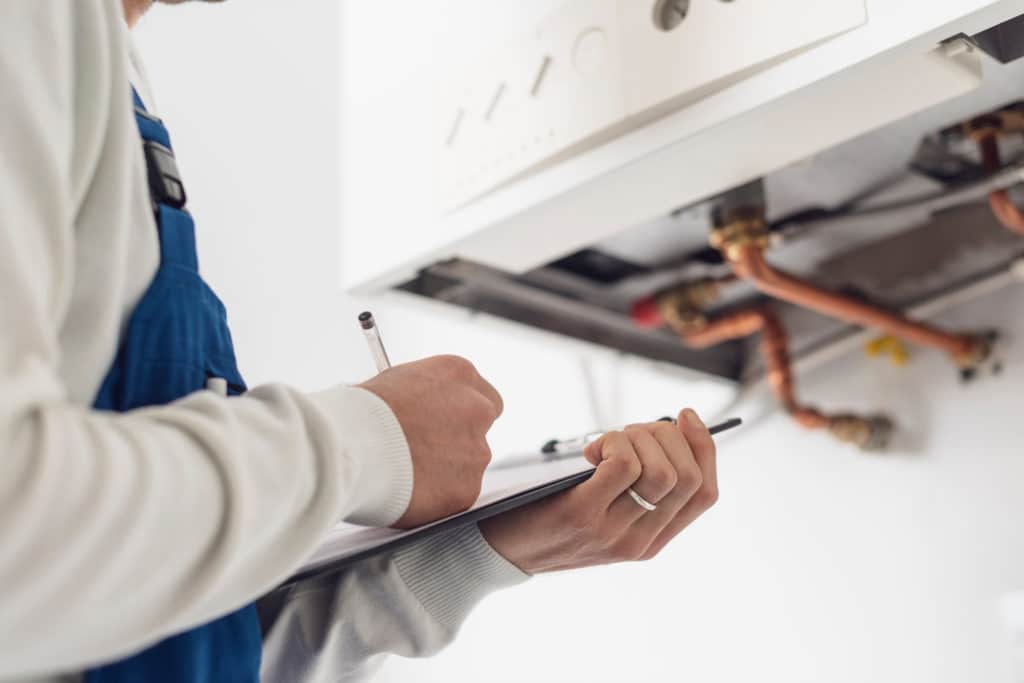
Plumbing technician in blue overalls inspecting water heater and taking notes on clipboard.

No one wants to deal with a leaking pipe or water heater. It’s a headache, causes a mess, and can be overwhelming. However, our plumbers in Loganville, GA, know that there are steps you can take when you discover a leaking pipe that can help you minimize the damage. This guide explains exactly what to do about leaky pipes. Whether you’re dealing with a burst pipe or small leaks, the steps remain the same: Step One: Turn Off the Water The first thing you need to do is control the leak. You need to find the water main and turn it off to stop the water flow and the damage. Turn off both the hot water and the cold water. Hopefully, you know where your water main is located, as it can differ in every home. Water mains are typically in the basement, water heater closet, or even in crawl spaces. Don’t turn the water back on until you get approval from a professional plumber. To avoid this step in the future, consider installing an automatic shut-off valve in your home to minimize the damage. This automatic shut-off valve will kick into gear as soon as it detects a leak and is especially helpful if a leak happens when you’re out of the home. Step Two: Consider Your Electronics If you’ve had a major pipe burst and are dealing with excess water throughout the house, you should find the electric panel and turn off power to the whole house. If you have a smaller leak that’s contained in one area or one room, consider unplugging and removing all the electronics in the area. You’ll want to remove hairdryers, lamps, and anything else electronic. Step Three: Remove Valuables From the Area The water leak will start to do some damage to the belongings in the area, so start to move anything valuable to a safe, dry place. Keeping the space clear also leaves an unobstructed pathway for the plumber to come in. Step Four: Call a Licensed Plumber Let’s be honest; most homeowners simply don’t know what to do about leaky pipes. A leaking pipe isn’t one of your standard DIY projects. If not fixed quickly — and correctly — your leaky pipe can lead to other problems in the house, like water damage. So, the next step here is to call a professional plumber. Explain to them where the leak is located and if it’s an emergency or not. Step Five: Clean Up the Water Start to remove as much water as possible from the area. Mop up the floors and use towels to absorb up water. A water leak can seep into floors, furniture, or items and generate mold, which will be a challenge to fix. Now that you know what to do about leaky pipes, the next step is to understand how to keep an eye on your plumbing system. Often, your plumbing will give you warning signs before a leak happens. Know what those warning signs might help you avoid having to ever deal with a leaky pipe again! Whether you’re facing a small or large leak, Keep Smiling Plumbing can help. We’re your top-rated local plumbing experts and are there to help you when you need it most. For more information about our plumbers in Snellville, GA, reach out to our plumbing specialists today!

5 SIGNS YOU NEED A SEWER LINE CLEANING

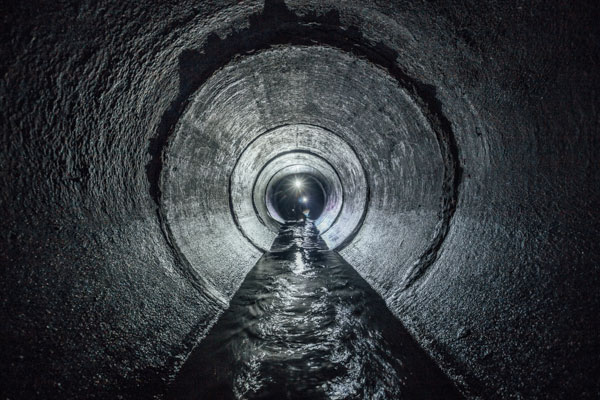
Interior view of a sewer line showing flowing water, emphasizing plumbing maintenance and potential clogs in home drainage systems.

Your sewer line has the significant responsibility of carrying waste out of your home. However, this vital part of your plumbing system can experience clogs from time to time. Blockages can form when grease, tree roots, and other debris build up within the pipes. If you suspect your sewer line is clogged, signs can often be found in the bathroom, kitchen, and front yard. As a homeowner, it’s essential to know when it’s time to take care of your plumbing system’s needs. With that said, let’s go over the five top signs you need a sewer line cleaning. Your Drains Are Moving Too Slow If you need a sewer line cleaning, signs usually first appear at your drains. For instance, slow-moving drains often indicate that it’s time to book a professional cleaning service. Clogged drains often lead to slow drains, among other inconveniences. It’s important to address this drain issue as soon as possible to prevent the problem from worsening. You Have Multiple Clogs at Once Do you have multiple clogged plumbing fixtures at once? If so, don’t ignore this problem; having various clogged drains is one of the most common signs your sewer line is clogged. You’ll want to address these blockages quickly, as they can attract fruit flies. These bugs can be drawn to standing water and the smell of food particles in the drain. You Notice Foul Sewage Odors It isn’t typical for the smell of sewage to waft up from your drains. In fact, strange odors are some of the most common, although unpleasant, signs you need a sewer line cleaning. If you encounter this issue, know that a clogged sewer line could be to blame. There Are Puddles In Your Yard There shouldn’t be pools of water in your yard on a sunny day. If there are unexplainable puddles littering your property, this can indicate an issue with your plumbing system. As one of the most common signs your sewer line is clogged, this problem should not be ignored for too long. You’re Dealing With Water Backups If you need a sewer line cleaning, signs can appear when you least expect them to. When you next enter the kitchen or bathroom, check for water backups in your sink and shower drains. You may also notice water backing up in your sinks when running your washing machine or hear gurgling sounds when you flush the toilet. When your sewer line becomes clogged, water will have nowhere to go. As a result, the water can reappear in the various drains throughout your home, including the shower floor drain. Call an emergency plumber in Lawrenceville, GA, at the first sign of a water backup. Don’t Suffer Through Clogged Sewer Lines While you can keep an eye out for common signs your sewer line is clogged, you should always call a plumber to handle the drain cleaning. Keep Smiling Plumbing is here to help with our drain cleaning services. Whether you’re experiencing frequent clogs, water backups, or sewage odors due to a clogged sewer drain, we have the tools and experience you can trust to get the job done right. Call our Snellville, GA plumbers today!

WHY IS MY SHOWERHEAD LEAKING?

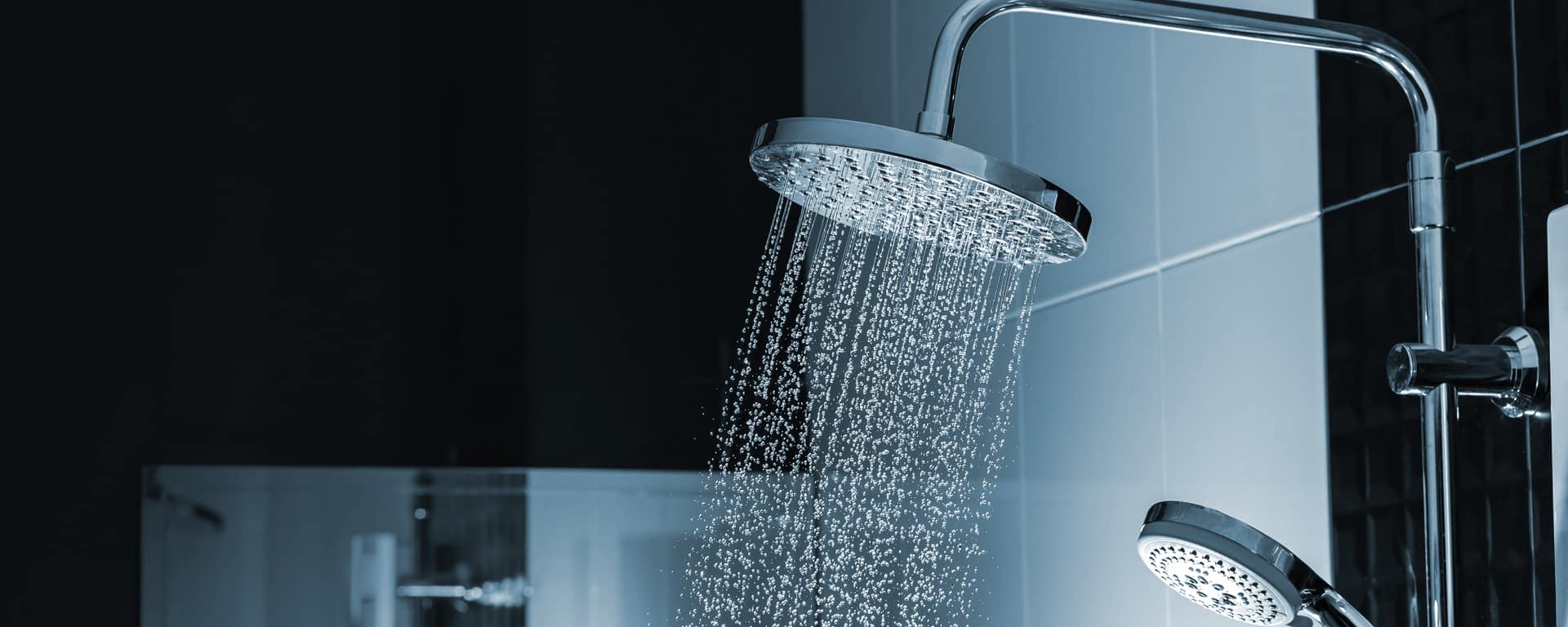
Modern showerhead with flowing water, illustrating the importance of hot and warm water in home plumbing and relaxation.

Your shower can be one of the most relaxing places in your home. No one can interrupt you, and you can quietly enjoy the clean feeling that a warm shower provides whenever you need it. However, one issue that can become a prolonged nuisance and cause a headache down the line is something that you might dismiss when you first notice it — a leaking showerhead.  The constant drip of your showerhead might not seem like a pressing issue right off the bat; however, if it remains unaddressed, the problem can quickly spiral. But what causes your showerhead to leak, and what can you do to fix it?  Identifying the Cause of the Leak When it comes to a leaking showerhead, identifying the main cause of the leak helps determine how you should approach fixing the issue.  High Water Pressure First and foremost, the number one cause of showerhead leaks is high water pressure. Each home is equipped with a pressure-reducing valve. This valve is responsible for bringing your water pressure to a safe level before it travels to your shower and plumbing fixtures. However, these valves can wear out over time and usually last five to 10 years. If your pressure-reducing valve has worn out, your faucets, toilets, and fixtures may start to leak or run continuously. You will need to replace this valve to resolve the issue. Worn-Out Inner Seals Most times, the leak is the result of worn-out or damaged inner seals. These seals provide a protective barrier between the showerhead and the hose that supplies the water, preventing the water from leaking out. Over time, the water pressure wears the seals down to the point where the water leaks.  Debris Build-Up While worn-out seals might be the most common cause of your leaking showerhead, it’s not the only thing that can ruin a perfectly good shower. Sometimes, the leak results from dirt, grime, and limescale building up within your showerhead and negatively affecting the water flow.  As these materials continue to build up within your showerhead, the likelihood of a leak rises exponentially. You need to find a way to identify the source and clear it out before the leak gets any worse.  How Do I Fix a Leaky Showerhead? Fixing your showerhead isn’t as complicated as you might have thought, but it still requires multiple steps and a healthy dose of patience. You want to approach your leaking showerhead with care and follow every step of the process to ensure you don’t miss anything.  Step #1 — Shut Off The Water Supply Before you do anything with your showerhead, you want to ensure you turn off the water supply to your shower. No one wants to get an unexpected blast of water when they least expect it because the shower accidentally got turned on during the inspection. Find the water valve for the entire house and turn it off.  Step #2 — Remove And Inspect The Showerhead In Question Next, remove the showerhead. Unscrew it from the pipe and take a closer look at the interior of the unit. Inspect the seals to see if they are worn down enough to affect the water flow. You can check for grime and limescale build-up, which can also affect the flow.  Step #3 — Clean The Showerhead Whether it’s an issue with the seals or a significant debris build-up that has caused your leaky showerhead, giving it a thorough cleaning can help prevent potential problems down the line. Replace the seals if need be. If your home has dealt with hard water issues in the past, the sediment buildup in your showerhead could be more significant than you originally thought. A good trick is to soak the showerhead in white vinegar for about 15 minutes, then rinse it with cold water.  Step #4 — Reattach The Showerhead After thoroughly cleaning the head and replacing any worn o-rings, the next step is to get everything reattached properly before turning the main water back on. Start wrapping the pipe stem’s threads with tape to ensure the seals won’t move. Wrap a thin strip around the threads at the tip of the pipe before screwing the head back into place.  Hand-tighten the screws until you physically can’t turn it anymore. Then, grab the pliers and give it a good twist to make sure everything is secure. Try not to apply too much pressure when using the pliers; you don’t want to accidentally break your freshly cleaned showerhead or pipe.  Step #5 — Turn The Water Back On And Reassess Now that you have the showerhead back in place, it’s time to turn the water back on. After you turn the main water supply back on, the next step is to turn the shower on and see how the head performs. If the leak is gone, you no longer have anything to worry about.  However, if the leak continues like you haven’t spent a significant amount of time cleaning your showerhead, then it’s time to call the professionals at Keep Smiling Plumbing to take a look.  Let Keep Smiling Plumbing Help You Fix a Leaky Showerhead! Leaky showerheads don’t have to be a persistent problem that you put up with because you think it’s not that big of a deal. By addressing the leaky showerhead, you can help boost your home’s water efficiency and lower your water utility bill at the same time. However, if you have found that plumbing repair isn’t in your repertoire, Keep Smiling Plumbing can help! Finding a professional plumber in Loganville, GA, can help you determine the exact cause of the leak and find a solution to the problem. Keep Smiling Plumbing has helped countless homeowners with our repair, installation, and emergency plumbing services in Loganville and beyond to address their leaky showerheads before the problem could worsen.  Other plumbing companies in Loganville, GA, might give you a roundabout solution or timeline to fix a leaking shower. We keep our customers in the loop every step of the way. We focus on providing customers with excellent service and repairs that last. Contact us to schedule your next plumbing service in Loganville, GA, today!

WHY IS IT IMPORTANT TO HAVE MY DRAINS CLEANED?

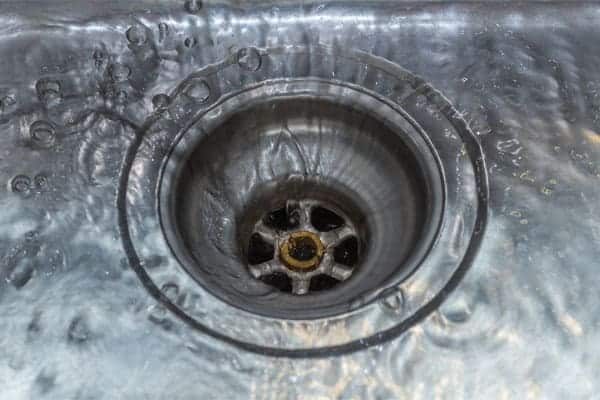
Drain in a kitchen sink with water swirling around, illustrating the importance of drain maintenance and cleaning for homeowners.

If you are like many homeowners, you may wonder what the benefits are to cleaning your home’s drains. There are many reasons that scheduling a drain cleaning is beneficial, the first, and possibly most important reason is for preventative maintenance.

To understand why preventative maintenance is so important for your home’s pipes, you must first understand the key role that your drains and pipes play in your home and plumbing system’s overall wellbeing. Your home’s plumbing system relies on your drains to carry away water and waste. If water and waste are not being carried away, that means that they are remaining in your system until they eventually overflow.

Build up or clogs in drains can lead to larger problems such as your bathtub, sink or toilet bowl overflowing with water. This overflow of water can lead to expensive remediation costs, but it can also damage your pipes. Damaged pipes can mean leaks and flooding within your home.

Clogged drains can also lead to additional issues such as slow draining sinks and showers and bad odors. When hair, soap scum and other organic matter get stuck inside of your drains, they can begin to decompose which can cause foul odors within your home.

Why can’t just I use a drain cleaner? Drain cleaner may seem like the simplest solution to the issue at hand, and there are a variety of different brands and options to choose from. While using drain cleaner is a viable option, we do not recommend regular use of drain cleaners as they often contain harsh chemicals that are bad for the environment and could be hazardous to your health.

Now you may be wondering, how often should I schedule drain cleanings for my home? Most experts recommend having your drains cleaned every one to two years.

At Keep Smiling Plumbing, Electric, Heating and Cooling our technicians have the skills, knowledge and tools to fix most drain problems on the spot. When a technician arrives at your home, you will be given all your service options before starting any repair so that you can make an informed decision about the services that you wish to proceed with.

We know that you have many options to choose from for your service needs, if you feel ready to proceed with drain cleaning services with Keep Smiling Plumbing, Electric, Heating and Cooling you may Schedule a Drain Clearing Service Now.

TOP REASONS TO INSTALL A GARBAGE DISPOSAL IN YOUR HOME

Modern kitchen sink with a gold faucet, white subway tile backsplash, and stainless steel gas stove, highlighting plumbing fixtures relevant to home maintenance tips.

A Comprehensive Guide To At-Home Garbage Disposals

Garbage disposals can be an essential part of your kitchen; by pulverizing food scraps into particles tiny enough to pass through the water waste system, they are an effective and efficient way to get rid of food waste. However, if you’re not using yours correctly, you could end up with a clogged sink or bad odors in your home. Follow these tips on how to use and maintain your garbage disposal to ensure you’re getting the most out of this handy tool.

What Are The Benefits Of A Garbage Disposal?

From providing a quick and easy way to dispose of waste to helping prevent odors from building up in your kitchen, garbage disposals were designed to make your life much easier. Other benefits of at-home garbage disposals include, but are not limited to: Reduced amounts of food thrown away will allow you to go through trash bags at a slower speed, saving you money and protecting the environment. Cut down the amount of trash that gets sent to landfills, which is also beneficial for mother earth. Improve drainage and protect your pipes. In addition, if you have a septic system, a garbage disposal can help extend its life by preventing solid waste from clogging it up. What can you put in a garbage disposal? Even though garbage disposals are an excellent way to get rid of solid food waste, some elements should be avoided in order to prevent clogs and build-up. Listed below are some of the most harmful foods for your garbage disposal system:

  • Fibrous or stringy scraps (like celery)
  • Animal bones Nuts and shells Fruit pits
  • Grease
  • Oil Cooking fat
  • Pasta
  • Coffee grounds
  • Potato peels and onion layers

How To Choose The Right Garbage Disposal For Your Home?

If you’re looking to install a garbage disposal in your home, there are a few things you’ll want to keep in mind. First, consider your household size and how much waste you generate. A larger home will need a more powerful disposal. You’ll also want to consider whether you want a continuous or batch feed model. Continuous feed disposals are continually powered and can grind down large amounts of food in short periods of time, while batch feed models grind and dispose of food in small batches.

How Do I Keep My Unit Running In Top Condition?

Assuming you have a properly installed garbage disposal unit, there are a few things you can do to keep it running in top condition.

  • Always run cold water while the unit is in use. This will help keep grease and oils from congealing and clogging the blades.
  • Avoid putting hard-to-grind items, such as chicken bones, into the disposal.
  • Grind only a small amount of food at a time so as not to overload the system. If you need further maintenance services for your at-home garbage disposal, we recommend you contact your trusted team of plumbers before attempting any repairs on your own, as this could be dangerous and cause further damage to the system!

Residents can rest assured that their garbage disposal needs will be taken care of with the help of our team of professional plumbers in and around Loganville, Georgia and East Atlanta, Georgia. At Keep Smiling Plumbing, Electric, Heating and Cooling we have the equipment and expertise to get the job done right and keep your systems running seamlessly for years to come.

To receive more information on garbage disposal repairs or installations, Contact Us or Request Service today!

SIGNS YOU SHOULD HAVE YOUR KITCHEN SINK REPAIRED

Modern kitchen interior featuring wooden cabinets, a white countertop, and open shelving with plants, emphasizing a clean and functional design for effective home maintenance.

3 Signs That You Need Kitchen Sink Repair

A kitchen sink is an essential part of any home. Unfortunately, if it isn’t in good working order, it can become a major inconvenience and potentially cost you more money in the long run. Here are three signs that you should have your kitchen sink repaired.

1. Leakage & Dripping

If your kitchen sink is leaking or dripping, it’s time to call a professional for repairs. While this may seem like a minor issue, even small leaks can cause major problems over time if left unchecked. From water damage to mold growth and higher energy bills, the costs associated with fixing leaky sinks can add up quickly. In addition to having your sink inspected by a plumber, consider replacing the seals and washers in order to prevent future leakage.

2. Slow Draining & Clogs

Do you notice that your sink takes longer than usual to drain after use? If so, you could be dealing with clogged pipes or poor drainage caused by debris buildup. This is another common plumbing problem that needs to be addressed quickly in order to prevent further damage and costly repairs down the road. Professional plumbers will help identify and fix any underlying issues causing your slow-draining problems and get your system back up and running in no time.

3. Unpleasant Odors If you start noticing unpleasant odors coming from your kitchen sink, it’s likely due to bacteria buildup or trapped debris inside the drain pipes. Not only is this an unpleasant experience for anyone who uses the sink, but it can also lead to serious health issues if left untreated for too long. To get rid of these odors, please consider contacting a professional plumber who will properly inspect and clean out your drain pipes so they are free from any lingering bacteria or debris.

No one likes dealing with plumbing issues, especially when it comes to their kitchen sinks! But keeping an eye out for these three signs will ensure that any potential problems are caught early on before they lead to more costly repairs down the road. If you do find yourself needing some help with repairs or maintenance on your kitchen sink, don’t hesitate to reach out to Keep Smiling’s team of trusted Gwinnett County plumbers, who will be happy to provide expert advice and service!