
THINGS YOU SHOULD NEVER PUT DOWN THE GARBAGE DISPOSAL

Modern home exterior with illuminated entryway, landscaped front yard, and contemporary architectural design, emphasizing electrical safety and home maintenance.

Garbage Disposals:

What To Avoid Feeding Them Garbage disposals are an increasingly popular way to efficiently and safely get rid of food waste; however, these systems are not almighty and, as any other home appliance, should be used carefully to ensure proper functioning for years to come.  The experts at Keep Smiling Plumbing and Electric have put together this useful guide to ensure you know exactly what you should avoid putting down your garbage disposal to prevent clogging and damage in your system and pipes!

The Ultimate List Of Things You Should Avoid Putting Down Your Garbage Disposal

Paint:

Most paints will harden when poured down the drain, creating clogs that won’t be easily diluted. Dispose of leftover paint appropriately and, if possible, clean your rollers and brushes in a bucket and safely discard the water!

Coffee Grounds:

It is commonly believed that dropping coffee grounds down your garbage disposal effectively eliminates odors. And while this technique might work in the short run, it can also be highly detrimental to your system as it will accumulate and form a thick paste that could easily clog your lines.  There are plenty of safe products and remedies in the market to combat foul odors coming out of your disposal; just make sure to keep the coffee grounds away!

Bones:

Just because garbage disposals have the capacity to shred and dispose of food waste doesn’t mean they are made to pulverize anything and everything under the sun! While they can withstand grinding the occasional forgotten bone, we recommend you avoid getting rid of hard items as they will eventually damage the system, disrupt its proper performance or render it useless.

Fibrous Vegetables

The long fiber strands found in vegetables like pumpkin or celery can easily get caught in the blades and accumulate over time, rendering your system inefficient. Please discard stringy pumpkin guts in the trash.

Pasta And Oatmeal Oatmeal and pasta

All of the above will expand when in contact with water, just like they would while cooking. To avoid your leftovers from forming a mushy clog that could interfere with the proper functioning of your system, abstain from using your garbage disposal to discard your leftover pasta and oats.

Nuts And Pits Fruit pits and most nuts are incredibly dense and hard, making it complicated for food grinding systems to fully pulverize them and potentially damaging the blades and overworking the engine. This could lead to an underperforming machine that no longer works properly. Consider planting or composting them for an eco-friendly alternative!

Egg And Seafood Shells:

These shells are too dense and will not properly break down when going through the disposal mechanism, potentially causing blockage or damaging the system altogether.

Harsh Chemicals Strong industrial cleaners and harsh drain unclogging products could be very damaging to your garbage disposal and drain line. Make sure to research the best ways to dispose of hard chemicals and only use garbage disposal friendly products to keep the blades clean, deodorize and clear out build-up and bacteria.  Miscellaneous Items Despite being called a garbage disposal, these systems are not built to process everything you would typically put in a garbage pail.

Bagspaper towelscandy wrappers and banana peels are just some of the things that don’t belong down the disposal.  Expert Garbage Disposal Solutions At Your Fingertips!  If you are an East Atlanta resident searching for a professional team you can trust for all your plumbing and electrical projects, look no further! The expert plumbers at Keep Smiling Plumbing & Electric have years of experience servicing and assessing garbage disposal repairs and will ensure your system is back up and running in no time. Get in touch with us today to learn more about our services or to schedule a free consultation.
Related Articles

TOP REASONS TO INSTALL A GARBAGE DISPOSAL IN YOUR HOME

THE CHALLENGES OF HAVING AIR TRAPPED IN YOUR WATER PIPES

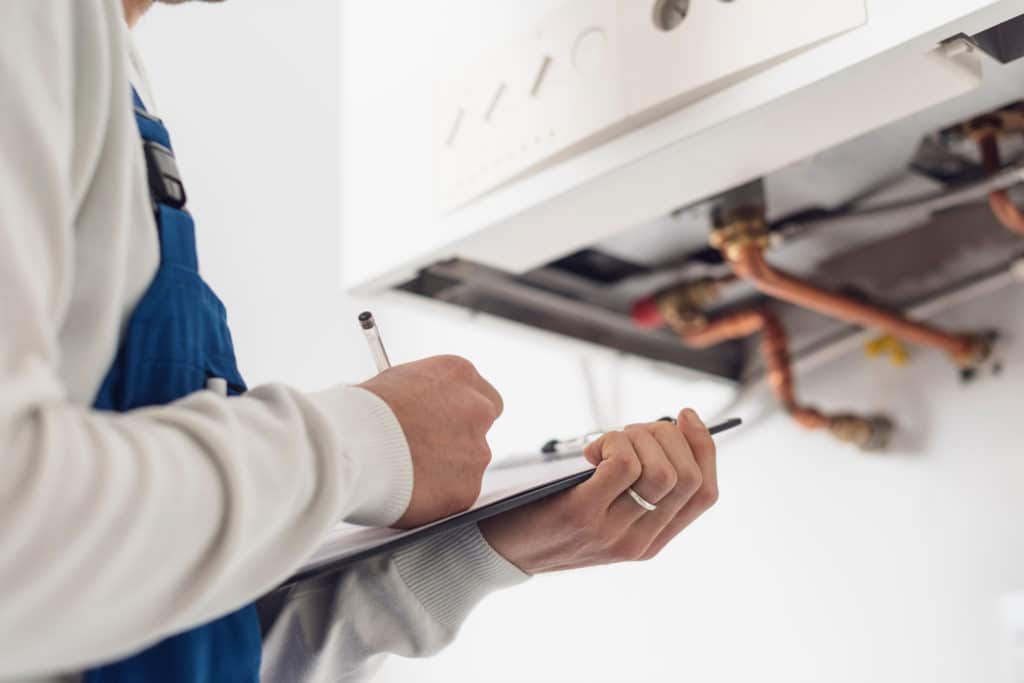
Technician inspecting plumbing system, taking notes on clipboard, highlighting maintenance and safety in home services.

Don’t Ignore Air Trapped in Your Water Pipes!

If you’ve ever experienced a loud banging noise from your water pipes when you turn the tap on, it may be because of air trapped in your water lines. This buildup of air can cause havoc with your plumbing system and lead to costly repairs if left unchecked.  In this blog post, we’ll discuss what causes air to get trapped in your pipes and how you can prevent or reduce it.

Why Does Air Get Trapped In My Water Pipes?

Air trapped in the pipes is simply a pocket of air that cannot escape through the drain line as water flows through them. The result is a loud banging sound every time you turn on the faucet due to the pressure created when the water hits the air pocket. It’s important to note that this isn’t an issue with only older homes; new construction plumbing systems can also experience these problems, especially if they are not properly installed or tested for proper functioning before use.

What Are The Tell-Tale Signs Of Air Trapped In My Pipes?

The most obvious symptom is loud banging noises coming from within your walls when turning on taps or using hot water appliances like dishwashers or washing machines. You may also notice fluctuations in water pressure throughout different parts of the house due to inefficient flow caused by an accumulation of air bubbles blocking certain sections of pipe off entirely. If left unaddressed, this can lead to serious damage over time as high pressure bursts through weak points in your plumbing network.

How To Prevent Air Trapped In Your Water Pipes?

The best way to prevent air from getting trapped in your water lines is to ensure all your pipe fittings are tight and have no loose connections. You should also inspect all joints for any signs of corrosion or wear and tear, which could interfere with proper function. Additionally, check for any potential blockages in the line that could prevent the trapped air from escaping properly, such as buildup from sediment or debris.

Finally, ensure that there are no leaks anywhere along the piping system, as they can introduce more air pockets into the line and further exacerbate your problem. Keep Smiling With Our East Atlanta Plumbing Services Having air trapped in your pipes is never ideal, but it doesn’t have to be a huge headache either! With professional help from your trusted plumber, any underlying issues will be diagnosed and repaired efficiently without further damaging your plumbing system – ultimately saving you money in costly repairs down the road! If you find yourself in need of assistance with your home’s plumbing system, don’t hesitate to reach out to Keep Smiling’s team of trusted Gwinnett County plumbers, who will be happy to provide expert advice and service!

5 COMMON DRAIN ISSUES THAT MAY REQUIRE A PROFESSIONAL PLUMBER

Light bulb glowing against a dark background, symbolizing electrical services and home maintenance insights related to plumbing and electrical topics.

Troubleshooting Common Drain Issues:

When to Call a Professional Plumber Have you ever experienced a clogged drain in your home? It can be frustrating, messy, and time-consuming to deal with. Unfortunately, drain issues are a common problem that many homeowners face. While some minor obstructions can be easily cleared with DIY methods, there are certain situations where you may need the help of a professional plumber.  Keep reading to gain valuable insights and make an informed decision on when to seek professional plumbing services for your East Atlanta residence.

Slow Flow:

If you notice that the water in your sink or bathtub is taking longer to drain than usual, it could be a sign of a clog. Slow drains can be caused by a variety of issues, including buildup of grease, food waste, hair, and soap scum. DIY methods like using a plunger or drain snake may help, but if the problem persists, it may be time to call a professional plumber.

Backed-Up Drains:

Dealing with backed-up drains is one of the most exasperating household issues. This situation can be due to various factors. Sometimes, it’s just a small clog that can be easily fixed with a plunger. However, if you find that multiple drains in your home are backing up, it could be a signal for something more serious. Attempting to fix it yourself could lead to unintentional damage and even more significant problems, such as rusted or broken pipes. Trust an experienced plumber to carefully inspect your system, determine the root cause of the issue, and provide a lasting solution.

Foul Odors:

If there’s a foul odor emanating from your drains, it could be a sign of a more severe issue. The unpleasant smell is often caused by a buildup of sewage or other waste in your pipes, which has collected and started to decompose. This can be dangerous, as sewage waste can contain harmful bacteria that can potentially put you and your family at risk. Take this warning sign seriously; call a licensed plumber with the equipment and skills to quickly diagnose the problem and offer precise solutions.

Flooding:

Experiencing an overflow in your drains can be distressing and inflict significant damage to your home and yard. Therefore, it is essential to identify the cause of the flooding and take immediate action to prevent further damage.  Drain overflows are usually caused by a clogged drain or a broken sewer line. These issues require prompt attention from a professional plumber to prevent the situation from escalating. With their expertise, they can accurately diagnose the cause of the problem and implement the necessary repairs to ensure that your home and yard are free from flooding.

Gurgling Sounds:

Have you ever heard gurgling from your drains and wondered what it meant? These sounds should not be ignored as they are often the result of a clogged drainage system, which restricts the flow of water in your pipes.  To remedy this, contact your trusted plumber. They will have the necessary tools to inspect your pipes and locate the blockage. Depending on the severity of the situation, they may use methods such as hydro jetting, drain snaking, or sewer line repair to clear your pipes and restore them to their normal functionality.

Take Action Today: Schedule A Professional Plumber To Fix Your Drain Issues Looking for reliable, high-quality plumbing services? Keep Smiling Plumbing & Electric in East Atlanta, GA, is the solution you need. Whether you’re facing an emergency or just need routine drain maintenance and repair, our team is here to help.  Visit our website to see our special offers and schedule your appointment today.

Related Articles

HOW TO FIX A KITCHEN SINK DRAIN CLOG

RECURRING CLOGS: WHAT ARE THE POSSIBLE ISSUES?

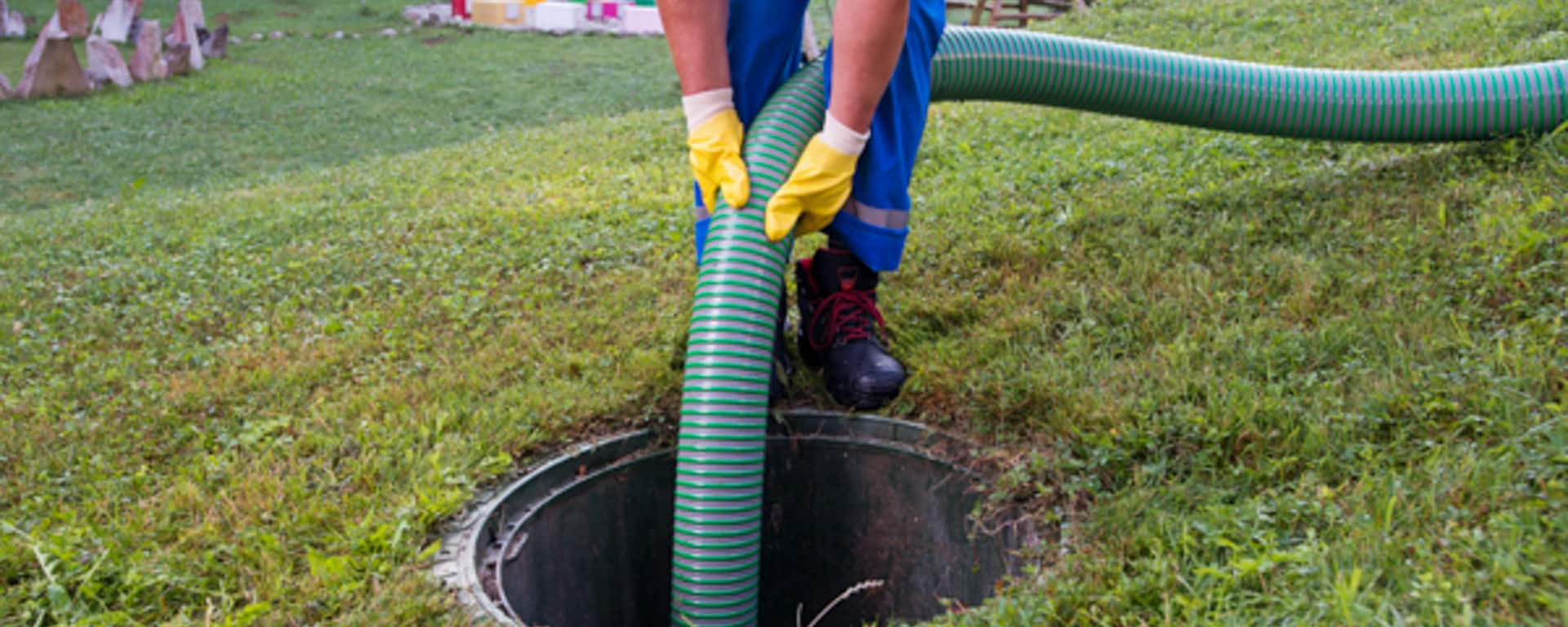
Plumbing technician handling a green striped hose over a sewer access point in a grassy yard, illustrating drain maintenance services.

Why Do Your Drains Keep Clogging? A Comprehensive Guide to Understanding the Root Causes

One of the most common plumbing issues that people face is recurring clogs. Whether it’s a clogged sink or a blocked toilet, the frustration of having these problems arise frequently is unmatched. Apart from being bothersome, they can also cause significant damage to your pipes over time. By understanding the possible underlying causes of recurring clogs, you can take steps to prevent them from happening again.

Possible Causes Some of the common reasons for recurring clogs include: Buildup of debris – the accumulation of debris over time can be caused by everyday activities and objects like cooking oil, hair, soap residue, and food particles. These materials can get stuck in the pipes and restrict the flow of water, leading to clogs that are difficult to get rid of. In addition to being a nuisance, clogged pipes can result in costly repairs and potential health hazards. Scheduling regular maintenance and being mindful of what goes down your drains can help keep your system running smoothly and avoid these unpleasant situations.

Faulty pipes – Faulty pipes pose a serious threat to the integrity of your plumbing system and can often create recurrent problems like clogs. Corrosion, a natural process that occurs over time, can cause pipes to weaken and, eventually, corrode. Investing in high-quality pipes and conducting periodic inspections is a great way to help prevent recurrent clogs and other issues.

Flushing of inappropriate items – Disposing of miscellaneous items properly when using the toilet is crucial, as flushing non-degradable objects down the drain can lead to severe clogs. Sanitary products like pads, tampons, and wet wipes frequently cause toilet clogs as they are not made to dissolve in water.

Tree Roots – Tree roots can be one of the most challenging sources of clogged pipes. When left unchecked, they can grow and penetrate your system, creating blockages and causing recurrent obstructions. Regular checks on your plumbing by a professional plumber can help to detect root growth early and prevent the problem from escalating.

Clog Prevention Tips To prevent recurring clogs, it’s essential to take the following measures:

Regular cleaning – Keep your pipes clean by getting them cleaned professionally at least once a year.

Watch what you flush – Remember to only flush toilet paper down your toilet. You could place a small trash can in your bathroom to ensure other items are properly disposed of.

Install drain filters – Use drain strainers or a mesh to capture hair, food particles, and other debris and prevent them from building up in your pipes.

Proper landscaping – By keeping your plants and trees away from your pipes, you can avoid recurrent clogs and other plumbing problems and maintain the integrity of your plumbing system.

For All Your Plumbing Needs, Call Keep Smiling Plumbing & Electric If you’ve been experiencing recurring clogs, getting them addressed immediately is essential to prevent further damage to your plumbing system. At Keep Smiling Plumbing & Electric, we have years of experience providing long-lasting plumbing solutions to communities in and around East Atlanta. Say goodbye to recurring clogs and hello to hassle-free plumbing by contacting us today!

HOW LONG DOES IT TAKE FOR GREASE TO CLOG A DRAIN?

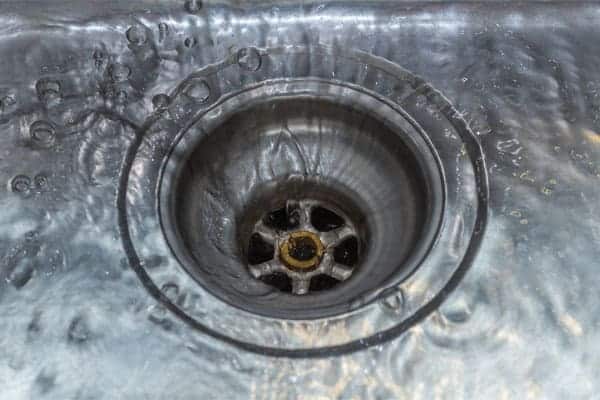
Clogged sink drain with water pooling around the strainer, illustrating common plumbing issue related to grease buildup.

It is a common household issue that many of us have faced at some point – clogged drains due to grease buildup.

Grease, although seemingly harmless when poured down the drain, can be a silent assassin, causing significant plumbing problems over time. In this article, we’ll explore the process of grease accumulation, its effects on drains, and how you can prevent this pesky problem from wreaking havoc in your home. The Grease Conundrum Grease is a natural byproduct of cooking, and it’s tempting to rinse it down the drain with hot water, assuming it will magically disappear. However, as Keep Smiling Plumbing & Electric knows all too well, that couldn’t be further from the truth. Grease is notorious for causing stubborn clogs, especially when it cools and solidifies in the plumbing system. Timeline of Grease Accumulation Immediate

Effects:

Initially, pouring hot grease down the drain may seem harmless. The warm liquid appears to flow smoothly, but little do we know that it’s already beginning to coat the inside of the pipes. Early Stages: Within hours, as the grease cools down, it starts to solidify on the pipe walls. At this point, the grease may still be relatively soft, but it acts as a sticky trap for food particles and other debris, exacerbating the clogging process. Weeks to Months: As time passes, the grease buildup thickens, narrowing the pipe’s diameter, making it difficult for water to flow freely. Slow drainage becomes apparent, and you may notice water backing up in sinks, tubs, or showers.

Full-Blown Clog:

In a matter of months, if left unaddressed, the grease buildup can become a solid mass, obstructing the pipe entirely. This will lead to severe drainage issues and potential pipe damage, requiring professional intervention from Keep Smiling Plumbing & Electric. Effects of Grease Clogs Foul Odors: As grease accumulates and decomposes, foul-smelling odors emanate from the drains, permeating the entire household.

Bacterial Growth:

The trapped food particles and grease provide a breeding ground for harmful bacteria, posing health risks to your family. Costly Repairs: A fully clogged drain can lead to burst pipes or even sewer backups, necessitating costly repairs and potential property damage. Preventing Grease Buildup Dispose of Grease Properly: Allow grease to cool in a container, then dispose of it in the trash. Alternatively, consider recycling used cooking oil at designated collection points.

Use Strainers:

Install strainers in your sink and tub drains to catch food particles and prevent them from entering the plumbing system. Hot Water and Detergent: Routinely flush your drains with hot water and a grease-cutting detergent to prevent grease from solidifying inside the pipes.

Regular Maintenance:

Enlist the help of professionals like Keep Smiling Plumbing & Electric to conduct regular drain cleaning and maintenance to identify and address potential clogs before they become major problems.

Conclusion:

Kitchen sink grease clogs can be a frustrating and costly experience, but with proper awareness and preventative measures, you can avoid falling into this greasy trap. Remember, while Keep Smiling Plumbing & Electric is always here to assist you with any plumbing issues, it’s essential to take proactive steps in your daily routines to keep your drains flowing smoothly. By adopting responsible disposal practices and seeking regular maintenance, you can prevent grease from wreaking havoc in your home, ensuring a clog-free and happy household.