


In Winder, GA, heavy rainstorms are not just inconvenient. They can expose weak points in your yard drainage and turn minor issues into expensive repairs. What starts as a little standing water or slow drainage can quickly escalate into backyard flooding, foundation risks, and long-term property damage.
Understanding how yard flooding happens and what to do about it can help you stay ahead of the problem. This guide breaks down how drainage issues escalate during storms and what homeowners in Winder can do to prevent flooding in their yard.
Key Takeaways
- Heavy rain in Winder overwhelms small drainage issues, turning minor yard flooding into serious water damage risks for homeowners.
- Poor yard grading and soil conditions cause flooding in yard areas during repeated storms commonly experienced throughout Winder, Georgia.
- Regular inspections and targeted solutions for flooding yard problems help reduce costly repairs and prevent long-term structural damage risks.
- Taking early action with proven flooding yard solutions helps homeowners protect their property and avoid sudden drainage failures during heavy storms.
How Small Drainage Issues Escalate During Winder Storm Downpours
When heavy rain hits Winder, small drainage problems rarely stay small for long and often escalate quickly under pressure.
Clogged Yard Drains Quickly Overwhelm During Sudden Winder Downpours
Clogged yard drains are one of the most common causes of backyard flooding, especially during sudden storms in Winder. Issues like this are often resolved through professional drain cleaning. Leaves, dirt, and debris can slowly build up inside drainage systems over time, reducing their ability to move water efficiently.
During heavy rainfall, these partially blocked drains reach capacity quickly, causing water to back up and spread across the yard instead of draining away properly.
Poor Soil Drainage Causes Standing Water to Spread Toward Foundations
Certain soil types in Winder, including dense clay soils, naturally drain water more slowly.
When heavy rain hits, water tends to sit on the surface instead of soaking into the ground. This can lead to flooding in yard areas that gradually moves toward the home’s foundation, increasing the risk of water intrusion and long-term structural concerns.
Minor Grading Issues Redirect Stormwater Toward the Home
Even small grading issues in a yard can have a big impact during a storm. If the slope of the yard directs water toward the house instead of away from it, heavy rain can funnel water directly toward the foundation.
Over time, this pattern can contribute to erosion, pooling, and increased pressure on the home’s structure.
Gutters and Downspouts Contribute to Backyard Flooding When Overloaded
Gutters and downspouts play a key role in managing rainwater, but they can contribute to yard flooding when they become overwhelmed. During intense storms in Winder, large volumes of water are pushed through these systems.
If downspouts discharge too close to the home or into already saturated areas, they can create concentrated zones of flooding in the yard.
Small Pipe Blockages Worsen Into Full Drainage Failures Under Pressure
Small obstructions inside underground drainage pipes may go unnoticed during normal conditions. However, heavy rain increases water flow and pressure throughout the system. This can turn minor blockages into complete failures, preventing water from moving through the system and causing widespread flooding in the yard.
In more severe cases, this may require sewer line repair and replacement.
Drainage Inspection and Fix Priorities Before the Next Heavy Rain
Preparing before the next storm can make all the difference, especially when it comes to preventing yard flooding and costly water damage.
Identifying Low Spots Where Water Naturally Collects in Winder Yards
Low areas in a yard are natural collection points for water, especially during storms. In Winder, these spots often become the starting point for yard flooding.
Identifying where water consistently pools can help determine where drainage improvements or adjustments are needed to prevent recurring issues.
Evaluating Yard Drainage Systems for Capacity and Flow Efficiency
A yard drainage system must be able to handle the volume of water produced during heavy rainfall. Over time, systems can become less effective due to buildup, damage, or poor design.
Evaluating how well water flows through drains, pipes, and exit points can reveal whether upgrades or repairs are needed to handle storm conditions.
A thorough plumbing inspection can help identify these issues early.
Checking Downspout Extensions and Discharge Points
Downspouts should direct water well away from the home and into areas where it can safely disperse. In many cases, yard flooding occurs because downspouts release water too close to the foundation or into areas that cannot absorb additional moisture.
Ensuring proper extensions and discharge locations can significantly reduce flooding risk.
Assessing Need for Sump Pump Solutions for Yard Flooding
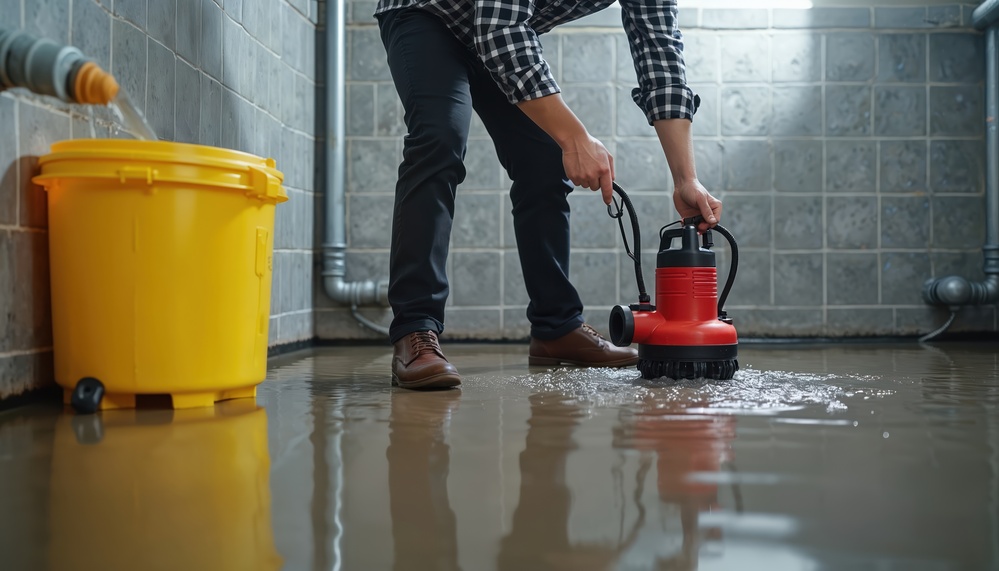
In areas where water consistently accumulates, a sump pump for yard flooding may be a practical solution. These systems help move water away from problem areas before it can cause damage. In some cases, homeowners explore sump pump repair and replacement to improve drainage performance.
Evaluating whether a sump pump is appropriate depends on how often flooding occurs and how severe the water accumulation becomes during storms.
Preventative Maintenance to Stop Recurring Backyard Flooding Issues
Routine maintenance plays a key role in preventing yard flooding.
Keeping drains clear, inspecting pipes, and addressing small issues early can help maintain proper water flow. Preventative steps are often more effective and less costly than dealing with major flooding after a storm.
Stop Yard Flooding Before the Next Heavy Rain Hits Your Winder Home
Heavy rain in Winder does not have to lead to costly damage. Addressing drainage problems early can make a big difference in protecting your home and yard.
If you are dealing with yard flooding or want to prevent future issues, take action now. At Keep Smiling Plumbing, Electric, Heating, and Cooling, we can help protect your home before the next storm hits.
Reach out directly to get help with your drainage concerns.
Frequently Asked Questions
What causes flooding in yard areas after heavy rain?
Flooding in yard areas is often caused by poor drainage, clogged pipes, or improper grading. Heavy rain can overwhelm systems that are already struggling, leading to standing water.
How can you fix yard flooding problems quickly?
Fixing yard flooding issues typically starts with identifying the cause. Clearing drains, improving grading, and adjusting downspouts are common first steps, while more advanced solutions may involve drainage system upgrades.
How do you stop a yard from flooding during storms?
To stop yard flooding, homeowners should focus on proper drainage design, regular maintenance, and ensuring water is directed away from the home. Preventative measures are key to long-term success.
How do you prevent yard flooding in the long term?
Long-term prevention involves maintaining clear drainage systems, correcting grading issues, and addressing recurring problem areas. Regular inspections can help catch issues before they worsen.
Are sump pump flooding yard solutions effective?
Sump pump solutions can be effective in areas with consistent water buildup. They help remove excess water and reduce the risk of damage, especially during heavy rain events.