PROS & CONS OF TANKLESS WATER HEATERS

Cartoon character representing plumbing services, smiling and holding plumbing tools, symbolizing Keep Smiling Plumbing's expertise in water heater installation and repair.

Keep Smiling Plumbing, your Gwinnett plumbers of choice, provides a range of plumbing services. From water heater installation and repair to drain cleaning service to being a veritable gas piping contractor to providing bathroom and kitchen renovations at affordable price points, we’ve got you covered. In our previous posts, we’ve highlighted our range of plumbing services that we have on offer, in addition to shining a spotlight on our Best of Gwinnett 2015 and 2016 awards. It’s that kind of recognition that makes us proud to serve our Gwinnett County community with full-service plumbing. From Johns Creek to Lawrenceville to Snellville to Buford and even into Tucker, Stone Mountain, and Norcross, we’ll be out to fix your toilet (or whatever the case may be) in a jiffy! Are people still saying “jiffy”? Come to think of it, we aren’t sure what kind of unit of time measurement a jiffy actually is, so let’s amend that statement to us coming to see you in an expedient fashion. But we digress; that’s quite enough jiffy talk for the day. We have a promised post topic to get to, so with that in mind let’s take a look at why folks considering tankless water heaters should either continue what they are doing or perhaps keep other options in mind. Keep reading if you are interested in learning some of the pros and cons of tankless water heaters! WHY IS THIS IMPORTANT? If you are like some people, you leave no stone unturned when it comes to saving money. And we aren’t only speaking of collecting coupons and electing to go with “store-bought” brands here – we are talking about examining the energy bill, looking into refinancing options when it comes to car and mortgage payments – the whole nine yards. For people who do comb through their energy bill, you probably don’t think about how much impact your water heater has in the grand scheme of things. But you might be missing a crucial contributor to that bill’s bottom line; around a quarter of a home’s yearly energy usage is taken up by water heaters. What does this mean? Water heaters are more expensive to operate than refrigerators, washers and dryers, and pretty much every other home appliance you might have, assuming you run your home like the majority of other Americans do. With the one exception of heating and cooling, there isn’t much else that costs more every month than a water heater. Now that we’ve established the fact that it’s worth your while to weigh your options when it comes to water heaters, we have some excellent news for you – we are here to help you navigate this territory. Here’s some more good news – manufactures have responded to this market opportunity by offering a variety of water heating types and technologies specifically designed for efficiency. So if you’ve been using the same water heater that you’ve had since you moved into your home around the turn of the millennium, it’s a good idea to begin your research mode. Think about it; every time you use the dishwasher, the washing machine, or even take a shower, you might be able to take a considerable chunk out of the dollar figure you are costing yourself using an inefficient, old water heater. But since you’ve already made your way to this blog, it seems like said research mode has already begun! That being said, there are more options than ever, so how you figure out which is best for your own situation? Keep reading. TANKLESS WATER HEATERS Tankless water heaters are also known as instantaneous water heater or demand water heaters. Traditionally, water heaters with tanks use a certain amount of “standby energy” connected with the storage of pre-heated water. Demand water heaters require no storage tank but instead utilize either an electric element or a gas burner to heat the water as it is traveling through your home’s piping. As such there is not a finite amount of hot water that can be used at one time. One of the most annoying aspects of a traditional tank heater is that they pre-heat a limited amount of water.  Sure, you can get yourself a bigger tank that will handle a couple three consecutive showers or loads of laundry, but what if you wanted to take an extra-long shower to de-stress after a rough day? Conversely, tankless heaters can offer you steaming water in just a matter of seconds. This hot water has no limit, which is pretty amazing if you are a big believer in long, hot showers. However, if you are watching your energy usage as we discussed above, you’ll probably be wanting to exercise some self-control around the 20-minute mark of your shower! Efficiency We’ve been circling around the idea of convenience, without officially categorizing it as such. But another “pro” we can chalk up to team-tankless is that it is a smaller system that turns off as soon as you are done using it. Contrast that system with a tank heater, which continuously is in operation, frequently heating water that plausibly will never be used. That’s not just wasted water, it’s wasted energy too. Cons Alright, here’s how you know we aren’t getting subsidized by some tankless water heating lobbyist somewhere – let’s talk about the cons. Tank water heaters cost less upfront, which is certainly a desirable characteristic for many a family looking to save money as they move into their first home or what have you. Keep in mind that over time, the sustainability aspect of your instant water heating system will likely save you money. A ballpark figure would be in the range of reducing energy by 60 percent or more for many families. Here’s another friendly reminder: tanks must be replaced every decade or so, whereas with tankless systems, there’s nothing to replace! These systems can last twice as long as tank heaters. Here’s the rub that is pretty much unavoidable. Although tankless heaters can deliver unlimited water, their true limitation is in how much water can be delivered at any given moment. People who don’t like tankless systems will usually complain that the flow isn’t strong enough, which reminds us of a classic Seinfeld episode (as many things do). Some people prefer low-flow shower heads in the first place, either because it’s conservational or they simply enjoy the gentleness. If you are like many others, however, having a low-flow shower will leave you unsatisfied. Despite these cons, there are options when it comes to fuel type, size, energy-efficiency, and costs. We at Keep Smiling Plumbing Repair Service in Gwinnett County can help analyze the specifics of your home and provide you with a professional recommendation. Whether you want an electric tankless water heater or an alternative, we’ve got the experience and wisdom to help you make the right choice. Reach out to us today!

5 SIGNS IT’S TIME TO REPLACE YOUR OLD HOT WATER HEATER

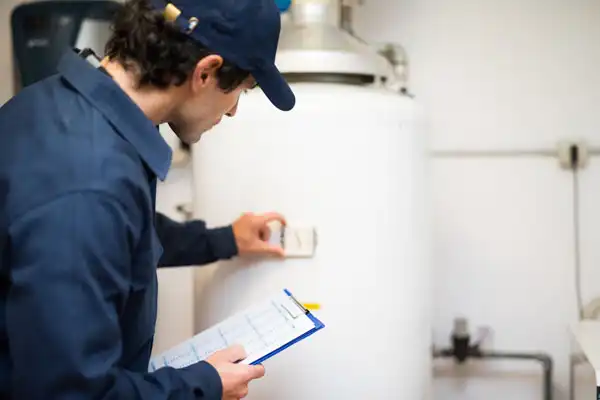
HVAC technician inspecting a water heater and checking maintenance notes for plumbing services.

Hot and warm water is crucial to everyday living for most households. From showers and baths to hand washing, cooking, and doing laundry, water of varying warmth comes to the rescue again and again. However, the engine driving the entire operation — your water heater — has a finite lifespan. While you can extend the life of your unit with proper maintenance, there will come a day when you need to replace your old hot water heater with one that can keep up with your needs. Here, we’ll go over the major warning signs it’s time for “out with the old, in with the new” — and how professional water heater services can help. Your Hot Water Heater Is Old Much like your vehicle or other household appliance, nothing lasts forever; and water heaters are no exception. Most water heaters have an average shelf life of 8-10 years. While the upper portion of this range is when replacement is typically recommended, the actual need to make an upgrade could arise before. Not quite sure how old your water heater is? Check out the serial number listed on the manufacturer’s sticker and usually found on the upper half of the water heater tank. This number won’t list the date. The first letter is code for the month of the year. For example, A would be January, B February, and so on and so forth. The numbers following the letter are the last two digits of the manufacture year. Rusty Water or Inlet Valve Steel is renowned for being a strong material, although it’s not impervious to rust. When corrosion grabs hold of a steel surface, it spreads slowly, eating away in certain spots. When it comes to water pipes and steel tanks, rust is an indicator of oncoming leaks. However, even then, it can be challenging to determine whether rust is coming from the water heater or the pipes that are hooked up to your faucet. If rust appears in hot water from your faucets, there’s a good chance you have a rusty water heater. If you notice rust around the water inlet or pressure relief valve of the tank, rust has likely also taken hold inside of the heater. If tap water looks rusty, your pipes could be the culprit.  Strange Noises If your hot water heater is trying to tell you something, make sure you listen up! As water heaters age, rumbling sounds will begin emanating louder and louder as the tank heats water. These sounds can be a result of sediment buildup, which can lead to inefficiency and accelerated damage. The tank should be flushed annually; doing so drains sediment from the bottom of the tank. However, if the tank still makes noise once sediment is flushed, there are likely more severe problems lurking under the surface. Creaking or rumbling headers, despite periodic flushing, are on the fast-track to a crack or leak that compromises the whole system. Leaks As a water heater approaches the end of its life expectancy, you might see water pooling on the floor surrounding the tank. Depending on where it’s located, this could lead to extreme property damage. Leaks are often caused by expansions to the metal in the tank, and when the metal expands at the height of each heating cycle, small amounts of water find their way through formed gaps and fractures. Lack of Hot Water A misadjusted thermostat or a damaged heating element can lead to a lack of hot water and does not necessarily mean replacement is in order. However, if you have a tank that is too small for your home’s size, getting a new hot water heater altogether is the best solution. Additionally, if there are more people living in your home than there were when it was first installed, the demands of the household could exceed the limits of your hot water heater. Wondering If Your Water Heater Needs to Be Replaced? Not sure if it’s time to replace your water heater? Partner with trusted specialists! If you’re running into trouble with your water heater, our technicians can find the root cause of the problems and make informed recommendations when it comes to getting a new unit that will deliver on energy efficiency — such as a tankless water heater. For more information about water heater installation in Lawrenceville, GA, or the surrounding communities, reach out to our team today!

WATER HEATER MAINTENANCE TIPS FOR THE FALL

Autumn leaves in vibrant orange hues, symbolizing seasonal change and home maintenance tips for preventing freezing pipes.

3 Tips For Keeping Your Water Heater in Tip-Top Shape This Fall

As the weather cools down, it’s time to turn your attention away from outdoor activities and ensure you have adequate water in your home. If you live in a place where you have to worry about freezing temperatures, it’s especially important to make sure that your water heater works well throughout the fall and winter months, as H2O can easily freeze and burst your water heater if it’s not kept at just the right temperature. To help you get through this season in comfort, here are three helpful tips for keeping your water heater in tip-top shape this fall.

1) Check Your Tank. When you check your tank, you’re looking for sediment, rust or anything else that might be blocking the flow of water. Be sure to clean any surfaces where water may have pooled or collected at the bottom of the tank to avoid this from happening and prevent future damage.

2) Protect From Freezing Weather. Draining your water heater when freezing weather is imminent could save you from having to take cold showers once the temperatures drop. Like any other piece of home hardware, a frozen water heater will be less effective, so be sure to lower the thermostat on your hot water tank at least five degrees before cold weather arrives.

3) Drain And Flush the System Often. Your water heater’s tank will be dirty with sediment from minerals in hard water that accumulate in the bottom of the tank. If left unchecked, these minerals can break down and cause corrosion in your pipes and, thus, damage your water heater, causing it to run less efficiently. Luckily, there is a relatively simple way to remedy this: First, you’ll have to turn off the power source to the water heater. Turn off the cold water supply valve — this valve can typically be found at the top of your water heater. Attach a hose to the drain valve (located at the bottom of the heater), open all the hot water faucets in your home and let them run. Open the drainage valve to empty the tank completely. Once it’s empty, turn the cold water valve back on and let it run for about 10 minutes to push clean water through your water heating system and remove any leftover sediment.

By following these easy steps, you’ll be sure to protect you water heater from the cold weather and ensure the longevity of your system. If you have any questions or concerns about your existing water heater, you can schedule a professional today or contact us.

WHAT SIZE TANKLESS WATER HEATER DO I NEED?

Modern showerhead with water flowing, illustrating plumbing and home improvement topics related to tankless water heaters and sink repairs.

If you’re tired of running out of hot water in the middle of a shower or dealing with a bulky traditional water heater, it might be time to consider switching to a tankless water heater. However, the big question is: What size tankless water heater do you need? Let’s delve into the details and find out!

The Advantages of Tankless Water Heaters Before we delve into the sizing specifics, let’s quickly recap the advantages of tankless water heaters. Unlike traditional water heaters that store hot water in a tank, tankless water heaters heat water on demand. This means they don’t waste energy keeping a large tank of water hot, leading to significant energy savings and reduced utility bills. Additionally, tankless water heaters provide an endless supply of hot water, so you’ll never run out during those long showers or when running multiple appliances simultaneously.

Factors to Consider when Sizing a Tankless Water Heater

Peak Demand:

The first and most critical factor to consider is your home’s peak hot water demand. This is the maximum amount of hot water your household requires at any given moment. To calculate peak demand, consider the number of people living in your home, their typical hot water usage, and the number of hot water appliances used simultaneously. Keep Smiling Plumbing & Electric’s expert technicians can assist you in this process, ensuring an accurate estimation.

Flow Rate:

Flow rate is measured in gallons per minute (GPM) and refers to the rate at which hot water flows from the heater to your faucets or appliances. Different fixtures and appliances have varying flow rates. For example, a shower typically requires 2-2.5 GPM, while a dishwasher may need 1-2 GPM. Knowing the total GPM for all fixtures and appliances in your home will help determine the appropriate tankless water heater capacity.

Temperature Rise:

Temperature rise is the difference between the incoming cold water temperature and the desired hot water temperature at the tap. Warmer climates will have lower temperature rises, while colder regions will need more heating. Keep Smiling Plumbing & Electric can help you determine the average groundwater temperature in your area, allowing us to calculate the required temperature rise for your tankless water heater.

Single Unit or Whole House:

Decide whether you want a single tankless water heater to supply hot water to specific appliances or a whole-house system that caters to all hot water demands simultaneously. Whole-house units generally require more power, so sizing is crucial to ensure optimal performance. Finding the Right Size Now that we have the essential factors in mind, it’s time to find the right size tankless water heater for your home. Keep Smiling Plumbing & Electric recommends consulting with our experienced technicians to ensure accurate calculations and a seamless installation process. However, as a general guideline: For a small household (1-2 people), a tankless water heater with a flow rate of 4-6 GPM should suffice. Medium-sized homes (3-4 people) will likely need a unit with a flow rate of 6-8 GPM. Larger households (5 or more people) or those with higher hot water demands should consider a tankless water heater with a flow rate of 8 GPM or more.

Conclusion:

Congratulations! You’re now equipped with the knowledge to determine the appropriate size for your tankless water heater installation. Remember, correctly sizing your tankless water heater ensures you have a continuous supply of hot water without wasting energy or money. If you’re still unsure or want expert assistance, don’t hesitate to reach out to the friendly team at Keep Smiling Plumbing & Electric. We’re here to make your transition to a tankless water heater as smooth and efficient as possible.